










































Disinformation Primer
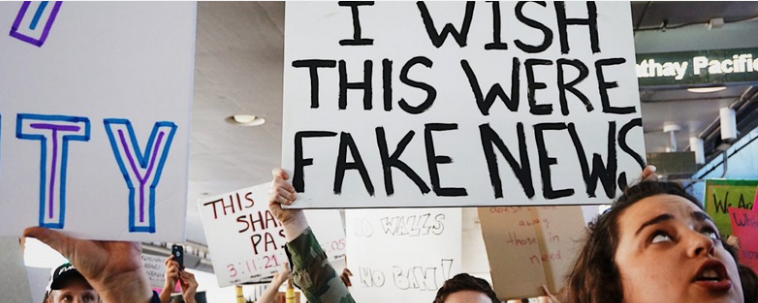
"In an era where mis- and disinformation is so prevalent, democratic progress and order is threatened by faulty information - conspiracies, lies, half-truths, distortions, and propaganda."
The combination of traditional analog media, in concert with new digital technologies, allows information to spread faster and more broadly - a phenomenon experts have described as "information disorder". From the Center for Democracy, Human Rights, and Governance at the United States Agency for International Development (USAID), this primer covers the basics of disinformation, how it is spread, why it is spread, and how programming can help reduce its damaging impact on societies around the world. It is organised into seven parts and seven annexes that feature insights, case studies, and examples to illustrate different dimensions of the problem and to enable readers to pursue deeper discussions and additional resources. Its modular design can supplement training programmes focusing on different aspects of the disinformation conundrum.
As outlined here, disinformation impacts democratic development in a number of ways. It:
- Undermines trust in democratic institutions by reducing their credibility and legitimacy in the eyes of the public.
- Leads to a loss of information integrity and often to impediments of press freedom.
- Can interfere with civic society and distort political engagement.
- Exacerbates polarisation and social fracturing.
- Can have a disproportionate impact on marginalised populations, resulting in online violence, intimidation, and harassment using false narratives.
The primer presents an overview of disinformation culture, including key concepts and terminology. For example, here is the definition of three types of information problems:
- Disinformation is information that is shared with the intent to mislead people. It is increasingly a global phenomenon - more prevalent with the rise of social media and the digital economy and a lack of digital and media literacy among consumers of online media.
- Misinformation is false information spread by someone who believes false information to be true. Misinformation is distinguished from disinformation by a lack of intent to deceive; however, the impact of disinformation and misinformation can be the same.
- Malinformation is deliberate publication of private information for personal or private interest, as well as the deliberate manipulation of genuine content.
Main parts of the primer include:
- Why Does Disinformation Matter?
- Understanding Information Disorder
- How does Disinformation Work Online?
- What Social Factors Contribute to Disinformation?
- What are Some Anticipated Challenges?
- What are Some Emerging Solutions for Disinformation
- Ten Things USAID and Its Partners Can Do to Counter and Prevent Disinformation - in brief:
- Conduct a disinformation diagnostic.
- Carry out actor mapping.
- Support media literacy initiatives.
- Fund independent media and local public interest journalism.
- Support media monitoring and fact-checking initiatives specifically.
- Stay current on new research and tools for identifying disinformation trends and threats.
- Support internet governance and digital rights initiatives.
- Engage government.
- Collaborate and engage with other international partners (civil society, media, social media platforms, internet governance forums, and other donors).
- Measure the impact of your efforts to counter and prevent disinformation.
Annexes include:
- Glossary of Terms
- Types of Misinformation & Disinformation
- Emerging Solutions
- Passive & Active Drivers of Disinformation
- Quick Resources for Planning a Disinformation Strategy
- Section-by-Section Resources
- What to Read & Watch
100
ICTworks, November 4 2021. Image credit: Kayla Velasquez on Unsplash - licensed under a Creative Commons Attribution-NoDerivatives 4.0 International License
- Log in to post comments