










































Immunization Attitudes, Opinions, and Knowledge of Healthcare Professional Students at Two Midwestern Universities in the United States
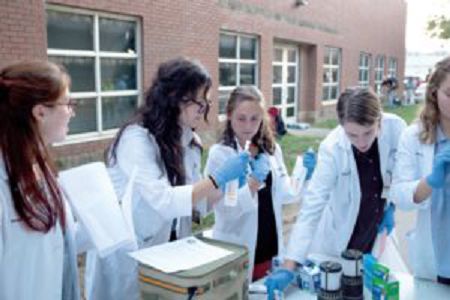
North Dakota State University (Dybsand, Hall, Carson); Sanford Health (Carson)
"With insight from students, potential changes to curriculum can improve future HCPs' ability to address vaccine hesitancy in their respective careers."
There is an increasing rate of vaccine hesitancy in the United States (US) - not only among the general public but among some healthcare professionals (HCPs) as well. HCPs who distrust the efficacy, safety, or importance of vaccines are unlikely to properly address vaccine concerns of their patients; this is a concern, as HCPs are considered to be trusted sources of vaccine information. Studies have shown that HCP students lack vaccine knowledge and are uncomfortable with counseling patients on vaccination. This cross-sectional study sought to assess and compare the knowledge, attitudes, and opinions of HCP students on the topic of immunisation.
In March of 2017, an anonymous, online, cross-sectional survey was sent to students in nursing, medical, and pharmacy programmes at 2 universities in the US state of North Dakota. The survey was completed by 223 participants. Among the findings:
- Vaccine-related knowledge varied greatly by programme; high knowledge scores were achieved by 74.3% of medical students, 62.7% of pharmacy students, 57.1% of doctor of nursing practice (DNP) students, and 24.7% of bachelor of science in nursing (BSN) students.
- Only 65.3% of medical students, 64.3% DNP students, and 56.6% of BSN students somewhat or strongly agreed their programme provided adequate training on the vaccine testing and approval process.
- Although many of the respondents appeared to have low vaccine hesitancy, over a third (34.2%) of BSN students agreed that the current recommended schedule places undue burden on a child's immune system (compared to 4.3% of medical students). In addition, 54.2% of participants believed that spreading out recommended vaccines over several visits was an appropriate means of reducing parental stress about vaccinating.
- Survey responses from almost all programmes indicated that respondents were more likely to encourage other HCPs to be immunised annually against influenza than receive the vaccine themselves.
- Overall, participants felt they were responsible for advocating the benefits of vaccines and educating patients on the diseases vaccines prevent, and that a strong HCP recommendation could impact a patient's decision whether or not to vaccinate.
- Generally, DNP students, compared to the other programmes, were the most confident at discussing the various vaccine-related themes with patients. Only 68.9% of medical students and 42.0% of pharmacy students responded they were highly confident in establishing an ongoing dialogue about vaccines with a patient. Participants across all 3 HCP programmes lacked confidence in addressing the risks of vaccines.
- In general, BSN students' scores generally suggested higher hesitancy, lower likelihood to recommend vaccines, and lower confidence on vaccine-related topics compared to DNP, medical, and pharmacy students. DNP students generally had the most positive assessment of the education they receive, were the least hesitant, and were the most likely to recommend vaccines compared to students in the other programmes assessed.
Reflecting on the findings, the researchers indicate that future HCPs across a number of fields appear to be unprepared to address challenging vaccine-related discussions with patients and caregivers. The survey revealed specific deficits of respondents by programme and more general insufficiencies across all programmes. Potential improvements to the HCP curriculum could be made by assessing and addressing potential gaps in current students' education so that all HCPs understand the importance of vaccinating and feel confident recommending vaccines to their patients.
Future research could expand the themes addressed and the number of programmes assessed. Specifically, questions could be added to explore where students source their information, the curriculum used, parental status, year of training, and their vaccination status. Furthermore, participants from additional HCP programmes, fields, and universities, as well as practicing HCPs, could provide insight to future research and improve generalisability of findings.
BMC Medical Education 2019 19:242. https://doi.org/10.1186/s12909-019-1678-8. Image credit: Vanderbilt University
- Log in to post comments