










































National Emergency Action Plan for Polio Eradication, Afghanistan, July 2015 - June 2016
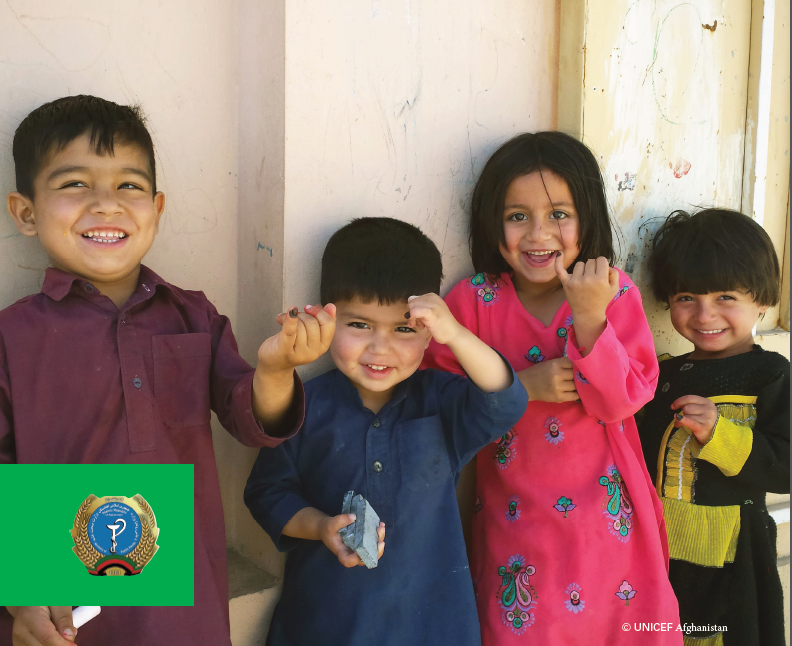
"The engagement and commitment of all partners to achieve the goal is critical as we continue to exert extraordinary efforts to vaccinate every child in the country and particularly in the hard-to-reach areas where the virus continues to circulate." - Dr. Ferozzuden Feroz, The Minister of Public Health - Afghanistan
This document represents an update of the National Emergency Action Plan (NEAP) as developed and continually revised by the Afghanistan Polio Eradication Initiative (PEI). As part of the country's effort to stop wild poliovirus (WPV) transmission in Afghanistan by the end of June 2016, with zero WPV cases for at least the first 6 months of 2016, the NEAP should emphasise "the management and oversight of all eradication activities, taking into account the need to strictly preserve the neutrality of the programme throughout the initiative. Strong and good governance will be key to guaranteeing the quality of all immunization activities, especially the quality of all Supplementary Immunization Activities (SIAs). It is envisaged that this updated NEAP will further strengthen the ongoing coordination among all polio eradication partners and stakeholders nationally and internationally, in order to optimally synergize and synchronize different components of the programme."
Following further description of the importance of governance and coordination (at the national level and regional/provincial level) in this updated NEAP, the document outlines key strategies for SIAs, which include National Immunization Days (NIDs), Sub-National Immunization Days (SNIDs), Short Interval Additional Dose (SIAD)/Focus Campaigns for Low-Performing Districts (LPDs), and Case Response Campaigns when a new polio case is confirmed. Communication-related elements include:
- The Immunization Communication Networks (ICNs) are a local, trained and flexibly deployed cadre of social Mobilisers and supervisors focused on engaging, educating, and motivating community leaders and parents to accept polio vaccination and other child health services. Together with a broad range of coordinating and facilitating personnel at cluster, district, provincial, and national levels, the wider ICN engages with community, religious, and non-state entities to facilitate the work of vaccinators by: gaining access; raising awareness and knowledge about polio and polio immunisation campaigns; tackling misconceptions; and answering questions and concerns of parents. ICNs play the critical role of building trust in the vaccine, the vaccination campaigns, and the vaccinators who regularly come to their communities and doorsteps. The deployment of ICNs in the LPDs will continue to be reviewed to ensure resources for social mobilisation are optimised according to areas of highest risk. Because the primary role of the social mobilisers equates to an existing community health worker (CHW) function, options for integrating the work of PEI social mobilisation into the CHW network will be actively pursued.
- Replacing the previous focus on public service announcements (PSAs) advising the population on pending polio vaccination campaigns with a revised approach focused on increasing correct knowledge about polio to address misperceptions and false rumours, as well as providing authoritative facts on polio and PEI activities. Communication work, which takes place in the pre-campaign phase and continues during the intra-campaign phase using a range of locally adapted approaches for optimal public information and house-to-house communication, will emphasise that polio is incurable and that the oral polio vaccine (OPV) requires all children to be vaccinated every time the vaccine is offered. New PEI communication partnerships will strategically counter misconceptions. In addition, engaging the media to cover the continuing success of polio eradication in Afghanistan as a public health story will highlight the significance of each confirmed case and, particularly in the LPDs and case response areas, motivate a demand to protect local communities from the virus. Moving away from the idea that polio vaccination is an individual choice, the strategic shift will emphasise the community effort and shared goal of polio eradication in Afghanistan. The revised approach to communication will be elaborated in a PEI Communication Action Plan (CAP) which will elaborate on the following elements: information, education, and communication (IEC) materials and frontline workers (FLWs); paid media; domestic earned media; communicating through cultural influencers; engaging grass-roots influencers; cross-border communication; communicating for nomads and populations on the move; communicating through convergence with other programmes; and external communication and international media.
- The PEI programme is establishing a National Emergency Operations Center (EOC) for polio eradication, taking into account specific recommendations of the Independent Monitoring Board (IMB) and the Afghanistan PEI Technical Advisory Group (TAG). "The EOC provides an opportunity to develop procedures to swiftly and transparently communicate to the public and the international community about both the successes and setbacks to polio eradication. The strategic shifts in PEI communication include agreements with BBC and VoA to increase coverage within Afghanistan on polio as a public health priority. The communication function of the nascent EOC will be the platform for advancing PEI-related advocacy within the Government, the broader PEI stakeholders and the international community."
In terms of technology, the programme has used various data "dashboards" to present indicators of programme quality related to pre-/intra- and post-campaign phases of the SIAs. In order to standardise the way information is presented and avoid duplication, there will be one consolidated dashboard prepared regularly and shared with polio partners. The same dashboard will be used to present the status of campaign preparedness/readiness, the quality of campaign implementation, and the results of post-SIA evaluation. A table presenting a side-by-side comparison of the results of all three major post-SIA assessment tools will also be provided for comparison and cross-checking. Furthermore, mobile phone technology will continue to be used in selected areas to collect other real-time monitoring data such as the on-time availability of SIA supplies and on-time payments for social mobilisers. It will also be used to relay real-time SIA monitoring information on missed children and areas. Also, the use of mobile phone-based Interactive Voice Response (IVR) technology will be explored in selected districts to collect and relay programme indicator data in real-time during the pre-, intra-, and post-campaign phases.
Concluding sections of the report focus on cross-border coordination and supporting strategies.
World Health Organization (WHO) Regional Office for the Eastern Mediterranean website, accessed Feburary 16 2016. Image credit: United Nations Children's Fund (UNICEF) Afghanistan
- Log in to post comments