










































Living Free and Equal: What States Are Doing to Tackle Violence and Discrimination against Lesbian, Gay, Bisexual, Transgender and Intersex People
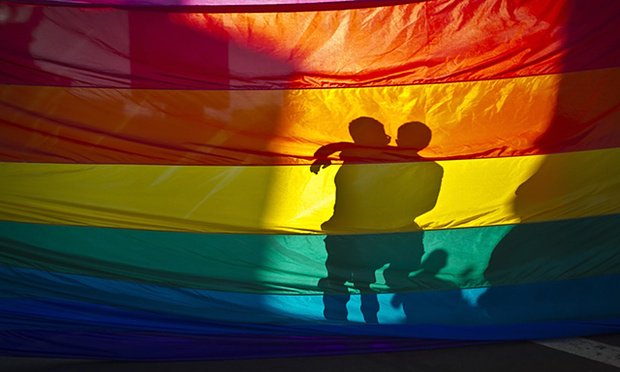
From the Office of the United Nations High Commissioner for Human Rights (OHCHR), this publication provides an analysis of more than 200 examples of what States in 65 countries in every region of the world are doing to tackle violence and discrimination against lesbian, gay, bisexual, transgender (LGBT) and intersex people. It offers concrete guidance and inspiration for States based on initiatives taken by Governments, courts, parliaments, national human rights institutions, and others around the world to implement international human rights standards and United Nations (UN) recommendations to protect, respect, and fulfil the rights of LGBT and intersex people. It also identifies where there are gaps and challenges and makes recommendations on how to address these.
An initial section of the study contains a discussion on the methodology used in the preparation of the publication. The following five sections relate to substantive human rights obligations and corresponding State responses: protecting persons from violence; preventing torture and ill treatment; prohibiting and combating discrimination; and ensuring respect for freedom of expression, association, and peaceful assembly. Some policies and approaches encompass two or more of these obligations and are examined in a dedicated section on cross-cutting practices. In each case, State initiatives are illustrated through more detailed case studies. The concluding sections include recommendations to States and highlight how the UN can provide support.
Key findings:
- More than 100 UN Member States from all regions have committed to addressing violence and discrimination on the basis of sexual orientation and gender identity.
- In addition to enacting new laws, some States have adopted comprehensive cross-Government action plans to: protect the rights of LGBT and intersex people; set up consultative bodies that include LGBT and intersex people; and partnered with civil society organisations to jointly tackle these challenges.
- In response to homophobic and transphobic violence, States have adopted an array of new laws to tackle hate crimes and hate speech, public leaders have spoken out, special prosecution teams have been set up, police officials have received relevant training, reporting helplines have been established, steps have been taken to tackle bullying in schools, and policies have been adopted to respect the rights of transgender people in detention.
- To protect LGBT and intersex people from unfair treatment, States have passed or amended antidiscrimination laws, taken specific steps to curb discrimination in education, employment, and health care, and recognise and protect the rights of same-sex couples and their children.
- A handful of States legally recognise the gender identity of trans adults and children on the basis of self-identification through a simple administrative process without abusive requirements; one State guarantees the right to access gender affirming treatment; and a small number recognise non-binary gender identities.
- A few States have taken steps to curb abuse of LGBT and intersex children and adults in medical settings, including so-called "conversion" therapies and forced sterilisation and treatment of transgender people, and have removed medical classifications that pathologise trans people.
- A few States have adopted measures to protect the rights of intersex people. Two have prohibited discrimination based on sex characteristics/intersex status, one of which has also banned medically unnecessary surgery on intersex children.
- Courts have upheld the rights of LGBT and intersex organisations to officially register and to hold public events and peaceful assemblies, and have awarded compensation to LGBT and intersex people for violations of their rights.
- Local authorities have often played a pioneering role - including by adopting antidiscrimination ordinances, combating hate crimes, training local officials, and rolling out public education initiatives.
Gaps and challenges:
- Criminalisation, discriminatory attitudes, harassment by police, stigma, ill treatment in detention and medical settings, lack of protective legislation, absence of complaints mechanisms, lack of trust in law enforcement officials, and lack of awareness by judicial operators still result in impunity for perpetrators and make it difficult for victims of human rights violations to access effective remedies and support.
- Consensual same-sex relationships remain a crime in 73 countries, which exposes individuals to the risk of arrest, blackmail, and extortion, and feeds stigma, discrimination and violence.
- Despite positive developments, most countries lack comprehensive policies to address human rights violations against LGBT and intersex people. Even where these are in place, most States do not collect relevant data to measure and evaluate their effectiveness.
- Measures to address violence and discrimination faced by trans people lag far behind those adopted to address issues related to people who are lesbian, gay, or bisexual. Most States do not recognise trans people's gender identity.
- Efforts to protect the human rights of intersex people are only at an incipient stage.
- Policies by and large fail to take into account the diversity and heterogeneity of LGBT and intersex people. Many of them face multiple and intersecting forms of discrimination because of their skin colour, ethnicity, gender, religion, age, or migratory status or because they are living with a disability or in poverty.
A dedicated section of the resource provides recommendations to address these and other gaps. To cite only one: States should develop anti-discrimination and awareness-raising campaigns relating to violence, discrimination, and the range of human rights violations faced by LGBT and intersex persons, to sensitise the general public and public officials, to combat stigma, discriminatory attitudes and harmful stereotypes, and to promote the equal enjoyment of human rights by all persons. Campaigns should raise awareness of protective legislation and mechanisms for reporting human rights violations and accessing remedy.
150
OHCHR website, November 21 2017. Image credit: Mandeep Dhaliwal via Twitter
- Log in to post comments