










































1 minute
Health Communication in the Changing Media Landscape
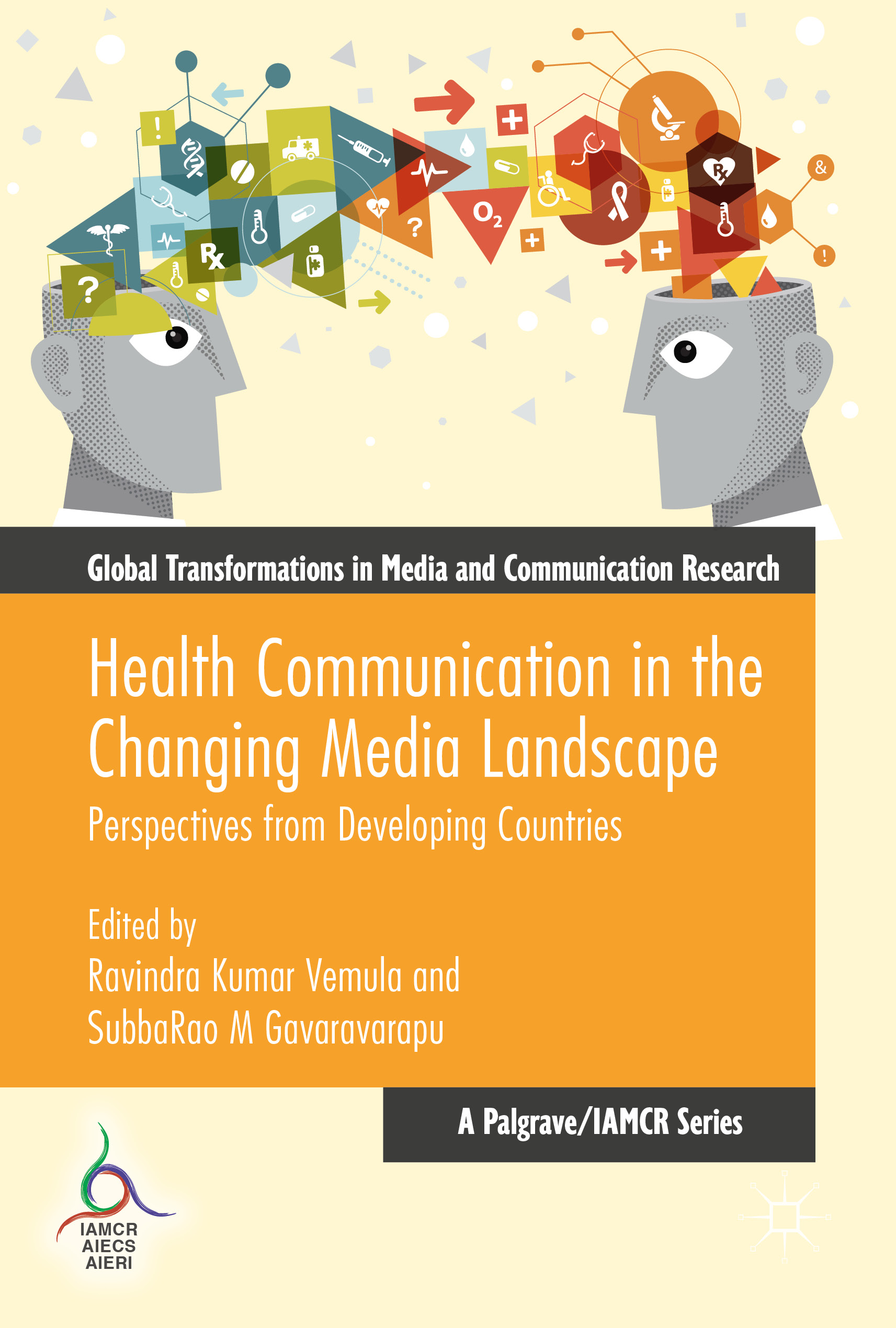
The latest book in the Palgrave/ IAMCR Series on Global Transformations in Media and Communication Research is a true example of what the series sets out to do: a collective knowledge production and exchange through trans-disciplinary contributions – offering a space to rethink traditional approaches, allowing a search for new concepts, theories and methods.
Health Communication in the Changing Media Landscape, Perspectives from Developing Countries brings together current research and discussions on policy, practices and theoretical perspectives in health communications, in a range of countries, such as South Africa, Mainland China and Hong Kong, Russia, Kenya, India, Papua New Guinea, Venezuela, and Brazil.
This book advances new understandings of how technologies have been harnessed to improve the health of populations; whether the technologies really empower those who use information by providing them with a choice of information; how they shape health policy discourses; how the health information relates to traditional belief systems and local philosophies; the implications for health communicators; how certain forms of silence are produced when media articulates and problematizes only a few health issues and sidelines others; and much more.
The book brings together current research and discussions on the three areas of policy, practices and theoretical perspectives related to health communication approaches in developing countries, presenting well-researched and documented essays that will prove helpful for academic and scholarly inquiry in this area.
Ravindra Kumar Vemula and SubbaRao M Gavaravarapu are members of IAMCR.
- Log in to post comments