










































1 minute
Gender and Forests: Climate Change, Tenure, Value Chains and Emerging Issues
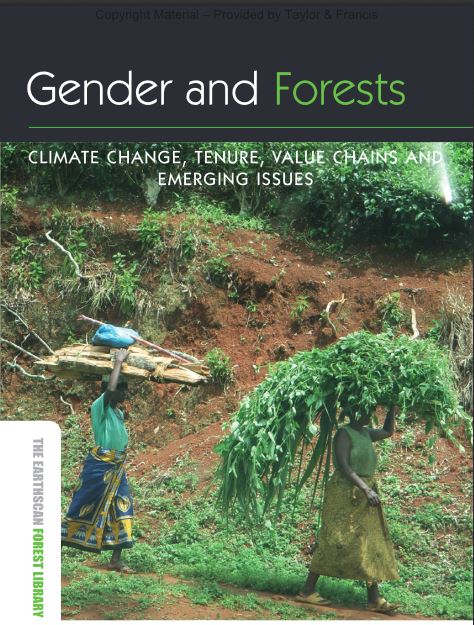
This enlightening book brings together the work of gender and forestry specialists from various backgrounds and fields of research and action to analyse global gender conditions as related to forests. Using a variety of methods and approaches, they build on a spectrum of theoretical perspectives to bring depth and breadth to the relevant issues and address timely and under-studied themes.
Focusing particularly on tropical forests, the book presents both local case studies and global comparative studies from Africa, Asia, and Latin America, as well as the US and Europe. The studies range from personal histories of elderly American womens attitudes toward conservation, to a combined qualitative / quantitative international comparative study on REDD+, to a longitudinal examination of oil palm and gender roles over time in Kalimantan. Issues are examined across scales, from the household to the nation state and the global arena; and reach back to the past to inform present and future considerations.
The collection will be of relevance to academics, researchers, policy makers and advocates with different levels of familiarity with gender issues in the field of forestry.
- Log in to post comments