










































1 minute
Roti, Kapda, Polio Vaccine and Mobile Phone: How WHO Aims to Keep India Polio Free
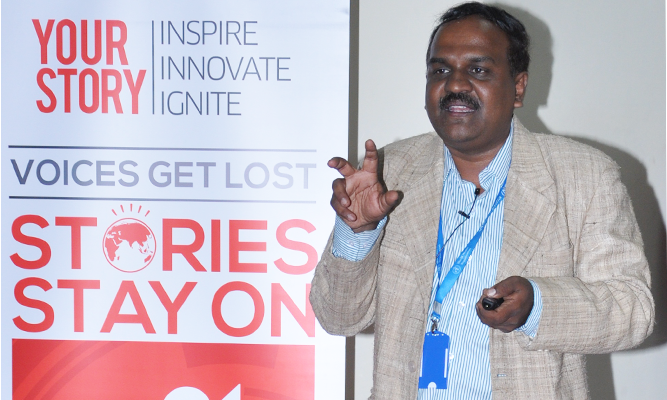
"Indian families are willing to pay for mobile phones even before they have toilets. They need to be aware that these phones can also be used to enquire about polio vaccination and provide tracking information."
These words were delivered in a keynote address by Dr B.P. Subramanya, Surveillance Medical Officer at the World Health Organization (WHO), at the YourStory Healthcare Meetup for the Vodafone Developer Program's "Innovations through Collaboration" held on January 31 2014 in Bangalore, India. Noting that, in 2011, India declared that polio was eradicated in that country, Dr. Subramanya urges that protecting these gains will require more advocacy, awareness, and innovations in mobile communications.
As the author of this piece, Madanmohan Rao, explains, the last reported polio case in Karnataka was in 2007, but there are still high-risk areas across India where migrant labour populations live in tents. These can be potential flashpoints for polio, according to Dr. Subramanya, yet "[e]ven migrant workers with no homes have a mobile phone - that is the opportunity for health campaigns to track them and educate them." As Dr. Subramanya urged, mobiles can be used in advocacy, tracking, monitoring, and community engagement for vaccine campaigns. They can also be used to track vaccine stock and quality. He concluded his talk by urging more public education about polio and other diseases via mobile ads, more systematic research on mobile impacts in healthcare, and better cross-pollination of the polio eradication experience with other disease treatments.
YourStory website, February 19 2014.
- Log in to post comments