










































1 minute
The International AIDS Conference Returns to the United States
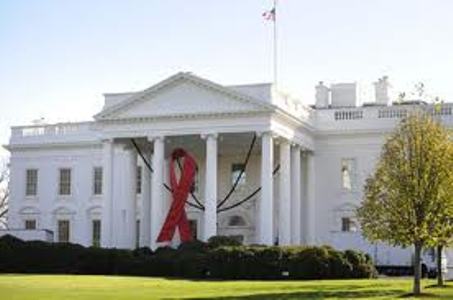
This report examines the political history of the international AIDS conferences from 1985 to the present. It is an examination of the politics of the conferences rather than a survey of major public health achievements in the fight against HIV/AIDS. It provides insights into the ways the conferences have contributed to the mobilisation of funding, research, and advocacy focused on ending the epidemic. It aims to identify the key attributes that have characterised "successful" conferences to offer considerations for future conference planning and decisionmaking.
From the author's description: "The report finds that the most significant conferences from participants’ point of view have featured either major scientific breakthroughs, such as the 1996 Vancouver meeting, or substantial sociopolitical breakthroughs, as in Durban in 2000, when unprecedented civil society engagement helped generate momentum for the development of an international consensus to institute and scale up treatment for HIV-infected populations in resource-limited settings. Those conferences at which the local community has been strongly represented - as participants, volunteers, or citizen-hosts—have also been among the most significant in demonstrating the potential for international collaboration to help end the epidemic. Obviously, the organizers of the upcoming Washington meeting in July 2012 cannot control the pace of scientific discovery, but there are several elements to keep in mind as they strive to put together a positive and significant international AIDS conference."
32
Email from Katherine Bliss to The Communication Initiative on April 2 2012.
- Log in to post comments