










































What Are We Learning about HIV Testing in Informal Settlements in KwaZulu-Natal, South Africa? Results from a Randomized Controlled Trial
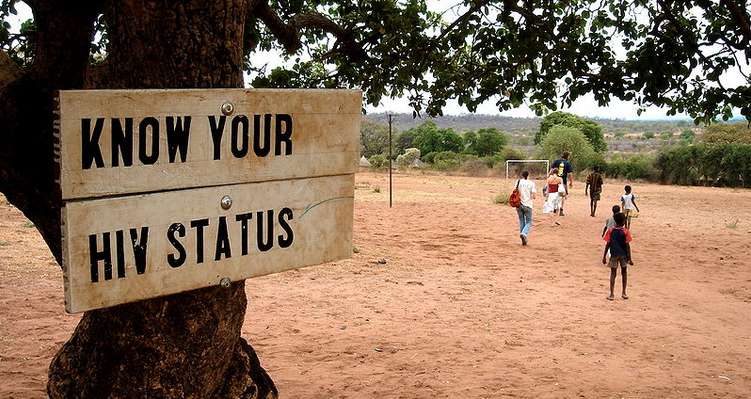
Population Council/Project SOAR (Psaki, Pulerwitz, Zieman, Hewett); University of the Witwatersrand (Beksinska)
"Programs designed to increase levels of HIV testing should ensure they reach the populations most in need."
KwaZulu-Natal (KZN) province is a major epicentre of the South African HIV epidemic. It is home to large informal settlements that pose unique challenges and barriers in terms of accessing HIV services and care. Community-based HIV programmes are seen as promising approaches to reaching communities in informal settlements and promoting HIV testing, prevention, and treatment. Stepping Stones is one such example. Applied in over 40 countries to date, the participatory group intervention aims to prevent HIV and violence by promoting communication skills and building stronger, more gender-equitable relationships. This randomised controlled trial (RCT) examines the effects of an intervention incorporating Stepping Stones on use of HIV services in KZN, including HIV testing, while also exploring who is getting tested and who is being missed.
The intervention - the Asibonisane Community Responses (CR) programme - was designed to promote uptake of HIV services and transform gender norms to create an enabling environment for HIV prevention behaviours among young men (ages 15-35) and women (ages 15-24) living in informal settlements. Supported by the United States President's Emergency Plan For AIDS Relief (PEPFAR)/US Agency for International Development (USAID), CR was implemented by the Centre for Communication Impact (CCI) in partnership with Dramaide and The Valley Trust (TVT) from 2014 to 2019. At the heart of CR was a 10-session version of Stepping Stones (see, e.g., Related Summaries, below), whose manual-based curriculum addresses issues such as communication about HIV, relationship skills, and assertiveness; it encourages participants to engage in critical reflection through role-playing and group dialogue. Other components of CR included single-session educational meetings for community members focused on a range of HIV prevention topics, as well as community-based meetings tailored for men that addressed sexual and gender-based violence (SGBV).
For the RCT, the researchers randomly selected a household-based sample of 1,528 adult men (18-35) and women (18-24) living in 18 KZN communities. After the baseline interview, communities were randomised to 1 of 3 intervention rollout arms in a stepped wedge design. At approximately 8-month intervals, the CR programme (and, in particular, the implementation of Stepping Stones) was rolled out by intervention phase. The researchers worked closely with community members before, during, and after data collection to ensure community support.
The analytical samples assessing trends over time and programme effects include those who were interviewed at least twice during follow-up, which is 78% of the baseline male sample (n = 595) and 83% of the baseline female sample (n = 637). Study respondents reported high levels of economic insecurity and mobility, and men reported various HIV risk behaviours, including about 50% reporting multiple partnerships. The vast majority (90%) of both men and women had ever been tested for HIV at baseline, but a much smaller proportion (25% of men and 36% of women) reported being tested about every six months during follow-up. Given continued high risk of HIV experienced by many men and women living in informal settlements, regular testing is essential.
CR/Stepping Stones programme participation led to a 17% increase in the probability of testing for women (p<0.05) but had no effect on testing for men due, in part, to the fact that the programme did not reach men who were least likely to be tested, including those who had migrated recently, and those who had never been tested at baseline.
For both men and women in the study communities, once they tested positive for HIV, accessing treatment was nearly universal by endline in 2019. Yet, the study's results highlight a gap in service delivery related to testing, especially for men. In order to identify possible opportunities to close this gap, the researchers explore the drivers of testing for both men and women in this study. For men, those who migrated recently to the community were less likely to be tested. Xhosa men were also less likely than Zulu men to test during follow-up; however, on average, Zulu men had lived in the community for longer than Xhosa men, which may explain this difference. On the other hand, men who slept away from their home for more than 30 days in the last 6 months were more likely to get tested (88%) than men who did not sleep away from their home (79%). (For women, there were no differences in the proportion testing during follow-up by these baseline characteristics.)
Previously documented barriers to male engagement in HIV services such as testing include a number of social and structural factors. For example, rigid constructions of masculinity and male gender norms associated with toughness and control as a way of asserting manhood can deter men from engaging with HIV services. Also, living in informal settlements may make it difficult for men to connect to existing health systems. The finding that men who were newer to the community were more likely to be in the "never testers" group underlines the importance of community ties in engaging men and women in programmes and services. On the other hand, the finding that men who had slept away from home for more than 30 days in the past six months were more likely to be tested than those who had not perhaps indicates better linkage to services in other settings.
Thus, this RCT suggests that, although participation in Stepping Stones was associated with higher levels of testing for women, there was no relationship between programme participation and testing for men. "Redoubled efforts to reach men with testing are vital for improving HIV outcomes for both men and their partners."
PLoS ONE 17(3): e0257033. https://doi.org/10.1371/journal.pone.0257033. Image credit: Jonrawlinson via Flickr (CC BY 2.0)
- Log in to post comments