










































Stigma & Discrimination Against Men Who Have Sex with Men in Jamaica
Hope Research Group (Bourne and Wedderburn); C-Change/FHI 360 (Rogers, Tureski, Cushnie)
This paper describes a qualitative study conducted in 2011 to understand the stigma and discrimination (S&D) experienced by men who have sex with men (MSM) in Jamaica with the aim of developing useful materials for anti-stigma and anti-homophobia social and behaviour change communication (SBCC) and advocacy campaigns. It emerges from FHI 360’s Communication for Change (C-Change) project, which is funded by the United States Agency for International Development (USAID) and the U.S. President's Emergency Plan for AIDS Relief (PEPFAR).
The research characterised S&D as actions, deeds, words, behaviours, and attitudes expressed that deny the dignity, respect, and/or rights of MSM. It used "hearsay ethnography methodology": 23 trained MSM ethnographers aged 18 to 40 years from 5 Jamaican parishes went about their daily lives over a 3-week period and documented observations, conversations, and personal experiences to understand the dynamics and environments that facilitate and perpetuate S&D. Ethnographers met on a weekly basis for debriefing sessions with supervisors.
"Study findings were consistent with previously published studies in other regions of the world showing that MSM are the target of verbal, nonverbal, and physical stigma, discrimination, and abuse where negative labels, stereotypes, insults, and physical attacks are perpetrated against MSM..." MSM most commonly experienced name-calling, but also experienced non-verbal stigma and physical attacks. Impacts included depression and suicidal thoughts, fear of verbal and physical attacks, frustration with hiding one’s life, anger, and acts of retaliation.
In short, researchers found that "a pervasive social norm of attitudinal acceptance and behavioral practice exists. While at least one example in the study reported an individual who chose to speak up and de-escalate an incident, generally Jamaicans seemed to participate in, acquiesce, or passively observe MSM stigma/discrimination when it occurred."
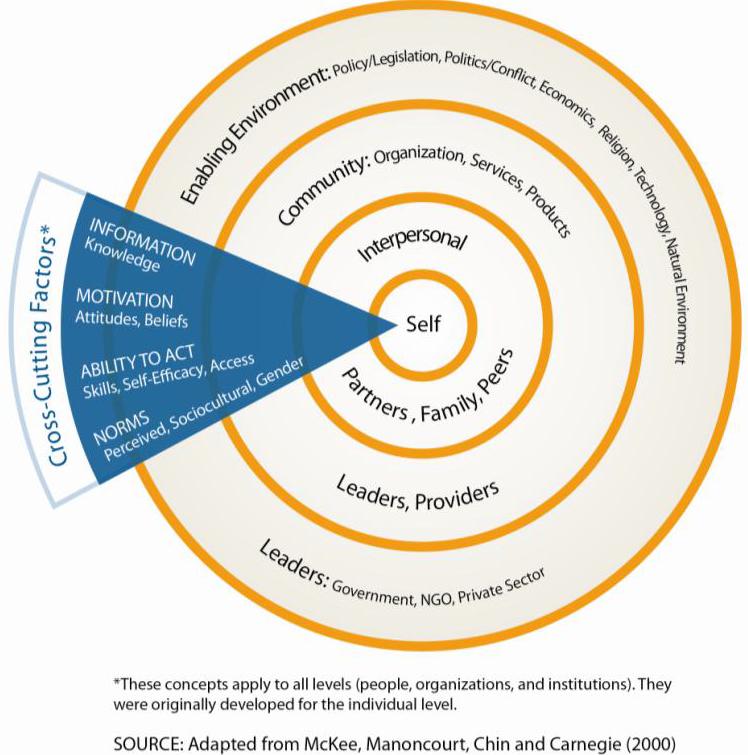
"Findings from the study imply that a multifaceted approach would be required to dismantle this pervasive social norm and practice." Recommendations include:
- "Conduct greater advocacy for addressing MSM S&D within the MSM and supportive communities....For the MSM community to become a force for change, it will need to become more cohesive, overcome divisions, and be willing to defend individuals who are under attack no matter how they dress or act. To foster a stronger MSM community, more support should be provided to victims of S&D to promote healing, positive self-image, and self-empowerment. In addition, MSM should become more aware of their rights and the support available to challenge injustices. Finally, other groups or individuals who generally advocate for human rights should be organized to support anti-stigma advocacy campaigns including persons in the legal, social service, and health professions.
- Develop media campaigns to address social norms of MSM S&D and encourage interpersonal and community dialogue to promote change. Planning and conducting media campaigns will require the initial buy-in and leadership of a wide spectrum of human rights stakeholders representing various institutions and segments of society. It will also require more research to better understand barriers to change among various segments/institutions in society in order to design effective campaigns. This research can inform effective message development that would communicate the importance of human rights, tolerance, and respect for individual differences as well as model positive interpersonal and community dialogue for change....
- Conduct capacity strengthening with persons in positions of authority who affect the lives of MSM. Persons in positions of authority in the community who oversee the lives of MSM, such as teachers, police officers, health care providers, and social services staff, need capacity strengthening and sensitization training to recognize forms of MSM stigma and discrimination and learn how to create policies to safeguard the institutional environment...
- Develop/conduct targeted interventions with youth. Anti-bullying/bullying prevention interventions should be designed and conducted to promote a social norm that bullying is 'not cool' and neither is being a 'bully bystander.' Several curricula are available to be adapted for the Jamaican context, including the FHI 360 program...
- Develop/conduct targeted interventions for parents. Recognizing and working with a core of parents who are supportive of their own MSM sons and want to help other parents is critical to designing appropriate programs for Jamaican parents...
- Develop/conduct targeted interventions with religious leaders and church members....[I]nterventions...should involve working with a core of religious leaders and church congregants who are empathetic and keen on designing appropriate programs for faith communities..."
C-Change website, April 30 2012.
- Log in to post comments