










































Positive Learning: Meeting the Needs of Young People Living with HIV (YPLHIV) in the Education Sector
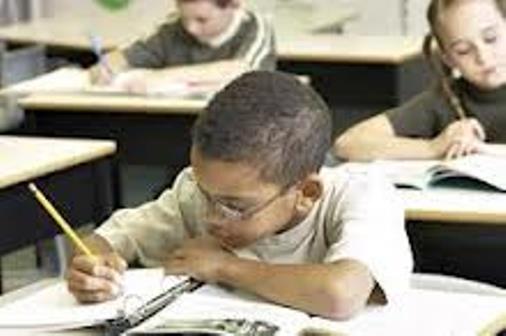
"It is... necessary to broaden our understanding of the needs of young people living with HIV (YPLHIV) and go beyond the well-established focus upon infants, orphans and vulnerable children, to include a more sophisticated and nuanced response to the ways in which HIV affects a growing child and young person. As YPLHIV transition from childhood through adolescence to young adulthood, they face a range of needs, including treatment adherence, tackling stigma and discrimination, and sexual and reproductive health."
The purpose of this publication is to articulate the role and responsibilities of the education sector in supporting young people who are living with HIV to realise their personal, social, and educational potential. It is a publication from the United Nations Educational, Scientific and Cultural Organization (UNESCO) and the Global Network of People Living with HIV (GNP+). Research for the document includes consultations, the most recent of which was held in December 2010 in Paris, France, with YPLHIV from four continents.
"The barriers facing YPLHIV in their education are multiple but largely linked to the high levels of stigma and discrimination being experienced from school staff and other learners. Instances of forced disclosure or breaches of confidentiality are an issue of major concern and may be caused by standard procedures during school admissions, by accident (for example, a learner missing school because of a medical appointment) or by intent....As with all other adolescents, YPLHIV need readily available accurate and non-stigmatising information about their sexual and reproductive health; current HIV prevention efforts are not providing this, and may even add to stigma by phrases such as ‘anti-AIDS club’."
The document provides an evidence base, key issues, and challenges and a set of recommendations, including:
- "The education sector must recognise the presence of HIV-positive learners and support actions that eliminate stigma and discrimination and provide a safe and enabling environment for all learners;
- The right to confidentiality is fundamental and must be protected.... Disclosure should be made a matter of personal choice, with a supportive environment for those wishing to disclose;
- Concerted and sustained efforts need to be made to tackle stigma and discrimination throughout the education sector from the policy level to the school....;
- The school community (including management, staff, learners and parents) needs to be ‘HIV-literate’ and sensitised to issues relating to prevention, care and treatment, as well as to the rights of YPLHIV;
- Many YPLHIV require support accessing and adhering to treatment; schools can be a key part of this support if flexible systems are adopted alongside linkages with health services;
- Good quality, non-stigmatising, comprehensive sexuality education needs to be provided for all children and young people, including consideration of the particular needs of YPLHIV;
- Social protection measures must meet the needs of adolescents - linkages between schools, health services and the community are critical;
- The involvement of YPLHIV is critical and will ensure that the real issues facing HIV-positive learners can be understood and mitigated."
UNESCO website, August 14 2013. Image credit: Future World Foundation webpage
- Log in to post comments