










































Polio Eradication in India: The Lessons Learned
Deep Children Hospital and Research Center (N. Thacker); Mangla Hospital and Research Center (Vashishtha); RD Gardi Medical College (D. Thacker)
"India's progress toward polio eradication was tumultuous."
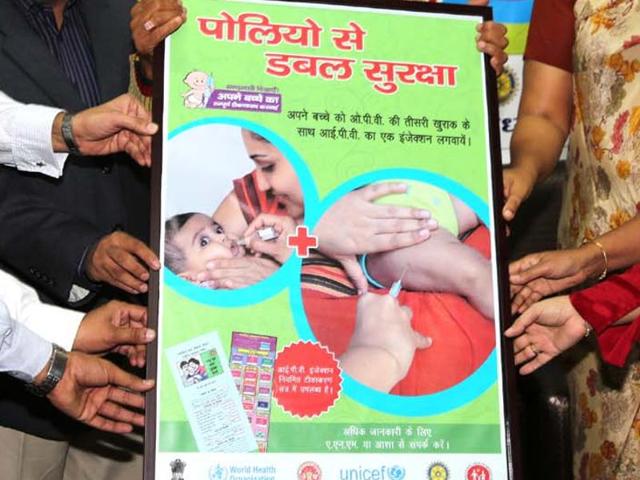
This article traces the history of India's declaration as a polio-free nation on January 13 2011 and its maintenance of that status. The authors show how the lessons learned during this hard-won accomplishment are helping strategists, programme managers, and health workers of other countries still grappling with uninterrupted wild poliovirus (WPV) transmission.
Among the challenges India faced: There was resistance to immunisation drives owing to negative rumours about the safety of oral polio vaccine (OPV). However, as a result of intensive polio immunisation activities after 2004 that included supplementary immunisation activities (SIAs), sometimes as often as 10 times a year, virtually every child was tracked and vaccinated
According to the authors, government ownership and commitment toward this mass health initiative were key to success. The India Expert Advisory Group for polio eradication was formed, and regular annual meetings were held to guide ongoing and future activities. Members of the private sector, including representatives from civil society organisations, academic bodies, and independent polio experts, were included in this technical group. Speaking of private sector involvement, Rotary International participated actively in SIAs and "contributed significantly to social mobilization campaigns. Religious leaders, mainly from the Muslim community, actively helped to coordinate the government's efforts to mitigate resistance to OPV administration within the Muslim community. Academic bodies such as the Indian Academy of Pediatrics and the Indian Medical Association, along with other agencies, also conducted awareness camps to educate the community about misconceptions regarding polio vaccines. Many film personalities were enlisted to support the polio campaigns and strengthen social mobilization efforts of the agencies."
Lessons are categorised into: government ownership, innovations in programme delivery, technical advances, partnerships with private and social sectors, and massive social mobilisation. "A sound, multipronged communication strategy is essential to galvanize the entire population to achieve public ownership rather than just creating a government-driven program..."
The lessons learned in India's success story against polio have reportedly helped the Global Polio Eradication Initiative (GPEI) restructure their Polio Eradication and Endgame Strategic Plan.
Pediatrics Volume 138, Issue 4, e20160461. Image credit: Santosh Rawat/HT
- Log in to post comments