










































Monitoring and Evaluation (M&E) Guidance for School Health Programmes
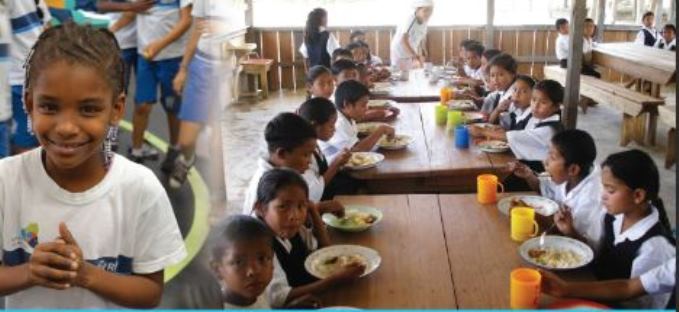
From the Focusing Resources on Effective School Health (FRESH) programme, these guidance documents on monitoring and evaluation (M&E), based on country-level feedback, including pilot testing in El Salvador, Ethiopia, Nepal, and the Philippines, consist of recommended indicators intended to help programmes in low- and middle- income countries ensure that school health programme implementation is standardised and evidence-based. The guidance was developed by the FRESH M&E Coordinating Group.
The guidance encompasses three documents:
1. Monitoring and Evaluation Guidance for School Health Programmes: Eight Core Indicators to Support FRESH. This is a national-level self-assessment tool to support governments and organisations in monitoring and evaluating school health programmes. Collecting the eight Core Indicators will allow countries to identify the strengths and weaknesses of their school health programming. Using this information, countries can strengthen policy and implementation and monitor progress over time. The document includes step-by-step guidance including training data collection teams and research dissemination, for example: organise a policy forum gathering various stakeholders for policy development and school health programme support.
2. Monitoring and Evaluation Guidance for School Health Programmes: Appendices. These appendices include data collection tools to support the collection and compilation of the eight Core Indicators.
3. Monitoring and Evaluation Guidance for School Health Programmes: Thematic Indicators. These indicators focus on programme-level M&E of school health and contain a menu of around 250 indicators, largely drawn from existing M&E guidance or developed by thematic expert groups, covering 15 school health topics for researchers and programme staff to choose from, including the topics: "Water, Sanitation and Hygiene (WASH); Worms; Food and Nutrition; Physical Activity; Malaria; Oral Health; Eye Health; Ear and Hearing; Immunization; Injury Prevention; HIV and AIDS; Sexual and Reproductive Health; Substance Use; Violence in Schools; and Disaster Risk Reduction." Each topic has the following sections: a rationale, strategies, and an indicator table.
Eight Core Indicators to Support FRESH - 54 pages
Appendices - 26 pages
Thematic Indicators - 54 pages
Email from Charlotte Broyd to The Communication Initiative on August 9 2013, and the FRESH website, August 13 2103. Image credit: Francis Peel, The Partnership for Child Development
- Log in to post comments