










































Connections: Lifeline Communication for Syrian Refugees in Lebanon and Jordan
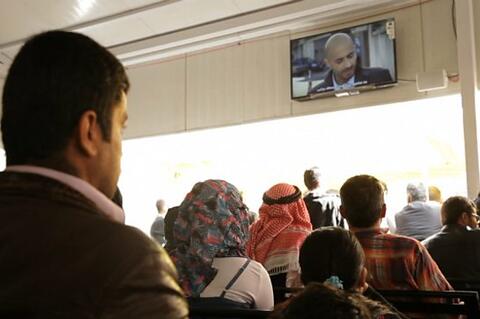
"Amid growing recognition that information is as crucial a factor in the humanitarian toolkit as food, water, medicine and shelter, Connections gives Syrian refugees practical advice and guidance on issues such as registering with the UN, accessing vital services and tracing missing family members."
The Connections initiative, launched in 2013 in Jordan and Lebanon by BBC Media Action, aims to give the more than 2 million (estimated in June 2015) refugees, fleeing from conflict in Syria, information that supports their self-help efforts as their families relocate. It aims to support their potential to work together and with the local communities where they find themselves. According to BBC Media Action, "Connections gives Syrian refugees practical advice and guidance on issues such as registering with the UN, accessing vital services and tracing missing family members."
In order to focus on refugee needs from the perspective of their experience, film topics for the project, covering health, legal, education and shelter, are chosen in consultation with aid workers and refugees. The content is especially focused on encouraging refugees to find and identify the organisations best placed to help them and to improve refugees’ knowledge of how to help themselves with up-to-date information. For example, films explain that no fees are charged by the United Nations High Commission on Refugees (UNHCR) and other aid agencies and highlight the dangers of engaging with "brokers", or middle men, who claim to be able to obtain visas or refugees. (View the film below.) "Another series, ‘Assem and Gassem’, produced in 2015 to address tensions between refugee and host communities in Lebanon shows two characters, one Syrian and one Lebanese, working together to overcome everyday problems." As part of the mix of videos, as well as photo-essays, "the programming is based on real testimonies and experiences of refugees, enabling their voices to be heard. It also advises on volunteering and self-help, as well as the importance of education and dealing with stress within the family."
As well as choosing topics through consultation, films are produced "by a team of Syrian, Lebanese and Jordanian film-makers, researchers, actors and musicians" - some of whom are themselves among the displaced.
Because television sets and the electricity to power them are not something that all refugee households can access, the project has found ways to show them in places where the refugees need to go, for example, on screens visible by people from lines waiting to renew paper work and access aid services at UNHCR and Relief International refugee registration centres, camps, and community centres, and on buses transporting refugees. "...Information centres run by Relief International in Lebanon - providing access to free wifi and phone charging facilities - also allow people to watch, and download the films to their mobile phones....Films are available to download via a dedicated app."
Mobile Populations, Conflict, Rights
BBC Media Action, UNHCR, Refugee International, funded by ECHO, the Humanitarian Aid and Civil Protection Department of the European Commission.
BBC Media Action Blogs website and BBC Media Action Vimeo Syria Lifeline website, July 2 2015.
- Log in to post comments