










































1 minute
Child Advocacy and Early Childhood Education Policies in the Caribbean
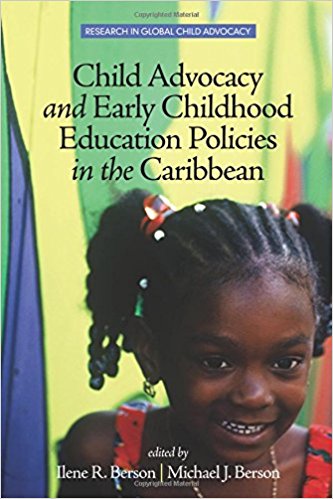
This volume explores early childhood education policies and practices in the Caribbean. Early childhood development has gained increasing importance as part of national agendas to achieve social and economic goals. Regional guidelines and action plans have been developed, but progress across nations varies. Chapters in the book analyze child policies and issues, critically examine progress on alignment between policies and practices, and propose recommendations for advocacy and implementation that may advance the early childhood development agenda throughout the Caribbean.
The book includes the perspectives of early childhood practitioners, policymakers, caregivers, representatives from family agencies as well as other key stakeholders in the education of young children. Across these diverse viewpoints is a shared commitment to children’s well being and the necessity of an integrated response that captures the challenges and opportunities of early childhood development services and initiatives that are framed based on contextual relevance and cultural appropriateness. Part One includes chapters that advocate for national policies throughout the Caribbean to support young children. Chapters in Part Two call for quality early childhood programming that is based on the tenets of developmentally appropriate practice. Part Three considers the pedagogical dilemmas that arise in math and literacy when schools negate purposeful and engaging early childhood curriculum. Part Four presents various perspectives on child protection and the necessary infrastructure of policies and practices to ensure cognitive, social, and physical development of young children in the Caribbean. This important resource promotes critical discourse on the current status of children and efforts that have been developed to effectively advocate for the rights of the young.
- Log in to post comments