










































"Breaking the Silence" and Mobile Cinema

Breaking the Silence tells the stories of Congolese women and girls who have been raped, and of the physical and psychological scars they have suffered. The audience also hears from the men in their lives - husbands and fathers - who express emotions ranging from shame to depression. Breaking the Silence, which was produced by IF Productions of the Netherlands, also shows the challenges and difficulties that survivors and their families face when seeking access to justice, despite the fact that a new national law on sexual violence was passed in 2007.
The first open-air showing of the film took place at Mulolwa Stadium in Moba, Katanga using a generator to power the projector. An estimated 5,000 people, including UNHCR staff, attended the screening. The mobile cinema subsequently toured the province. Organisers say the audience seemed "riveted by a film that explores a subject few people talk about openly in that part of the world." They say that there were moments of total silence during moving or shocking testimonies and outbreaks of laughter in lighter moments.
According to the organisers, mobile cinema is attention-grabbing and attractive, especially in areas like Moba, where people have few opportunities to watch television or films. The moving image is a particularly appropriate tool for tackling the taboos, stereotypes, and general confusion surrounding the very definition of what constitutes rape. Assessments conducted after the screenings of Breaking the Silence in South Kivu indicate some improvement in the way men regard and treat women, as well as greater sympathy and understanding for the plight of victims of sexual violence.
Sexual Violence
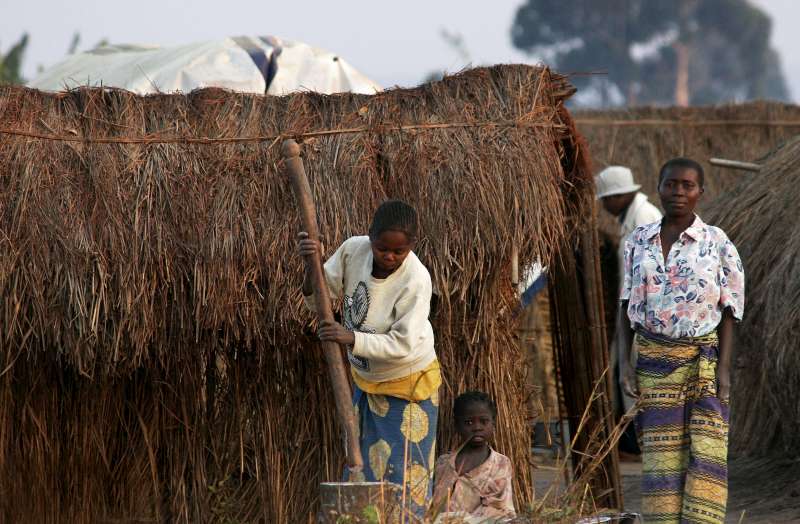
According to the organisers, sexual violence and abuse of women are major problems in parts of eastern and south-eastern DRC, including South Kivu and Katanga provinces. Forcibly displaced women and girls are particularly vulnerable to abuse. According to United Nations figures, almost 3,500 women were raped by militiamen, soldiers, or civilians in the eastern DRC in the first half of 2009.
United Nations High Commissioner for Refugees (UNHCR), Search for Common Ground (SFCG).
UNHCR website on October 6 2009 and June 29 2010.
- Log in to post comments