










































2016 Calendar: A Parent's Guide to Comprehensive Sexuality Education
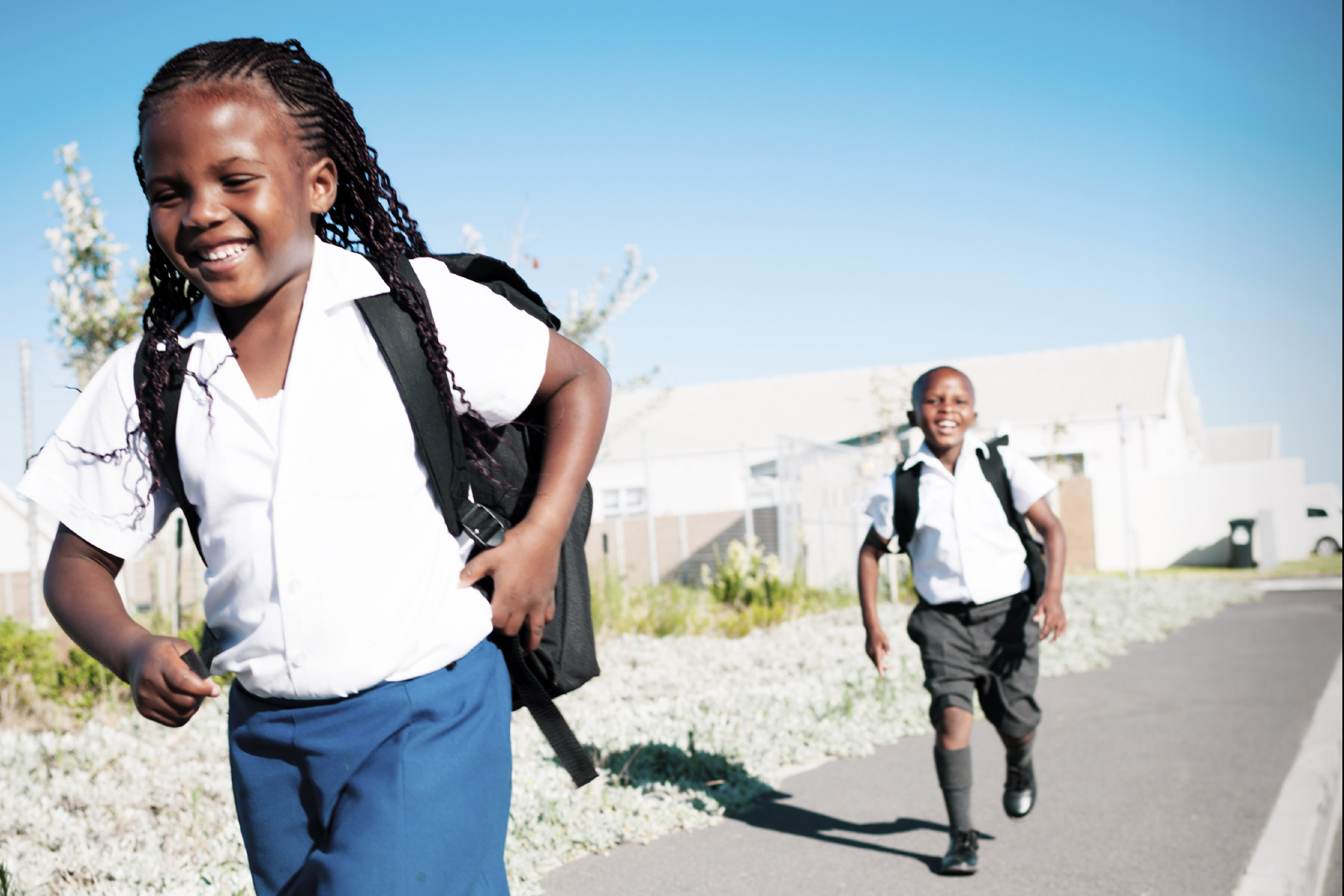
This calendar is part of an initiative to ensure that children and young people in Eastern and Southern Africa are receiving accurate information about their sexual and reproductive health. Developed for parents and guardians across the region, the calendar is designed to be a practical guide to help parents talk to their children about comprehensive sexuality education, with each month representing a different activity.
The guide was developed by the Young People Today programme, an initiative being led by Ministries of Health and Education from the East and Southern Africa (ESA) region and supported by the United Nations, the Southern African Development Community (SADC), and the East African Community (EAC) to improve the lives of young people with sexuality education and health services in the region. As part of the commitment, countries are scaling up comprehensive sexuality education for young people. This means public schools and other institutions must cover topics such as sexuality, gender equality, HIV and sexually transmitted infection (STI) prevention, relationships, and sexual and reproductive rights in an age-appropriate and accurate way.
“Comprehensive Sexuality Education is defined as an age-appropriate, culturally relevant approach to teaching about sex and relationships by providing scientifically accurate, realistic, non-judgmental information.” As stated in the guide, it “provides young people with opportunities to explore their values and attitudes and build skills so they can make safe decisions and reduce their risk of getting diseases such as HIV. It is different from “sex education” in that it encompasses more broadly sexuality as a whole - a person’s identity, orientation and expression. Comprehensive sexuality education is mainly taught in schools, but can also be received at home, in churches and mosques and through other community forums.”
Parents, in particular, have an important role to play in guiding children and providing them with information. The guide was therefore developed to help parents get the conversation started. It is structured like a calendar and for each month suggests a different activity for parents, offering ideas and guidance for each activity. The activities for each month of the year are as follows:
- Reflect - Suggests that, before engaging with one’s child about his or her changing body and development, parents should reflect on their own experiences when they were growing up.
- Listen - Suggests that parents and guardians should stop and listen, as listening: truly builds a relationship; helps resolve conflicts; ensures greater understanding; and gains the trust of a child.
- Learn - It is important that parents learn more about comprehensive sexuality education in order to provide information and guidance to their child so he or she can feel supported.
- Understand - Understanding the physical and emotional changes that a child is going through will help parents support them through the challenging years ahead.
- Communicate - How parents communicate with their child can make a big difference in how they understand each other. It is important to listen, ask questions often, stay honest with them, and share one's own thoughts and feelings.
- Empathise - Suggests that parents encourage their child to talk about the changes happening in their body and help them understand that these changes are completely normal.
- Educate - ESA has the highest HIV rate among adolescents and young people. It is important to educate children on how to protect themselves.
- Engage - Children receive a lot of information about sex and sexuality from a range of sources, but hearing them from their parents is the most important. This section encourages parents to engage in these conversations to ensure that children have healthy sexual attitudes and behaviours as they grow older.
- Comfort - Sexual abuse and violence are a threat to many young people. In many cases, the sexual abuser is someone the child knows – a family member or friend. This section seeks to help parents to ensure their children know what healthy relationships look like, and are comfortable to have open and honest dialogues about sexual abuse.
- Support - An estimated 2.6 million young people in ESA are living with HIV. This section will help parents ensure that their children understand the reality of those living with HIV and treat everyone equally and with respect.
- Encourage - As young people grow and begin to find their identity, they may feel unsure about themselves. This section helps parents to encourage them, and to help build their self-esteem and confidence.
- Empower - This section makes the point that doing all of the above is part of a bigger picture to empower children to be the best that they can be, and encourages parents to empower their children into 2017 and beyond.
English
28
Young People Today website on September 26 2016.
- Log in to post comments